

Q2 2026 Funding | $2,223,280
Across two continents, hundreds of thousands of people working to put good food on the table run into the same kinds of challenges. Kids in school cafeterias are eating reheated, processed meals in place of scratch-cooked meals. Farmers in Ghana, most of them women, are getting by on $0.30 a day because they can’t access the credit or markets that would let their hard work pay off. And educators building garden programs for kids are doing it largely on their own, without the support or peer community that would help their work take root.
This quarter, WFM Foundation invested $2,223,280 across three organizations taking on these challenges head-on. Together, these grants reach more than 573,000 people: 370,000+ students connected to garden-based learning, 202,000 students gaining access to scratch-cooked school meals, and 1,200 smallholder farmers getting capital and market access for the very first time. The three investments look different on the surface, but they’re grounded in the same belief that real, lasting change in how communities grow, access, and prepare healthy food starts with the people and institutions doing the daily work.
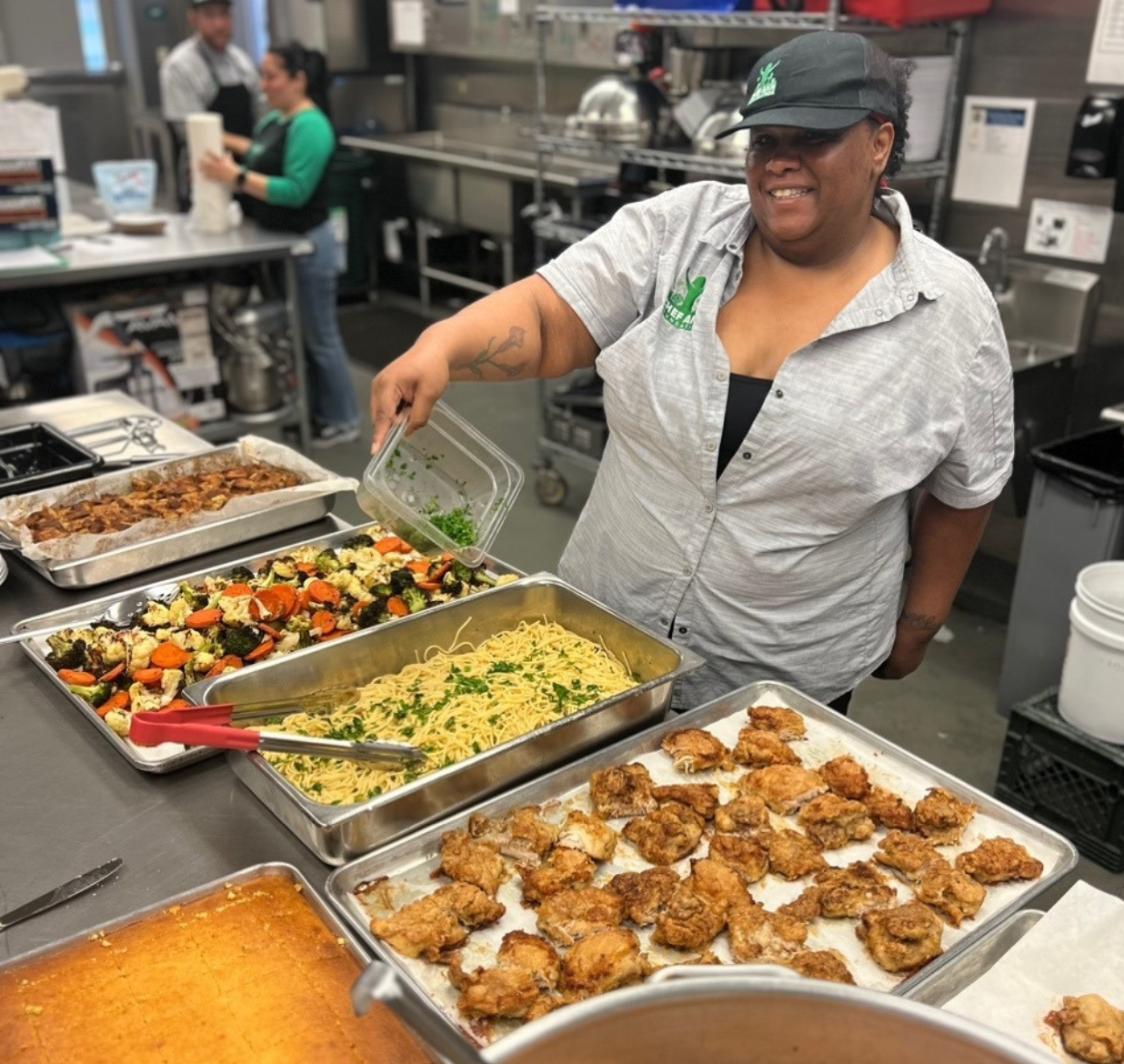
Chef Ann Foundation | United States | $1,500,000
Transforming 110 Schools to Scratch-Cooked Meals for 202,000 Students
Most school cafeterias in the U.S. aren’t serving scratch-cooked meals because no one cares. They’re doing it because the system wasn’t built for anything else. Processed food, bought in bulk and reheated, became the default because of tight budgets, limited staff, and a lack of culinary training and equipment. The kids in those cafeterias spend their school years eating meals that fall short in nutrition.
Chef Ann Foundation is a long-time Foundation partner doing the hard work of changing that default, one school district at a time. Building on the Foundation’s January 2026 investments in their Salad Bars to Schools program and Healthy School Food Pathway Fellowship, this $1.5 million, three-year grant goes deeper into two programs that have already shown they can drive real, lasting change.
Get Schools Cooking works with K–12 school districts from the inside out — providing hands-on training, comprehensive assessments, and practical support to make the shift from heat-and-serve to scratch-cooked meals. More than just a training program, it tackles procurement, equipment, staffing, and menus together.
The Healthy School Food Pathway Fellowship is a 13-month program for school food professionals who want to lead change in their own districts. Fellows build skills in leadership, advocacy, and culinary practice. They come out on the other side ready to transform their programs from the inside, and many go on to mentor and inspire peers across the country.
Together, these two programs will reach over 202,000 students across 110 schools in 5 districts, with 16 new Fellowship participants joining a growing national network of school food leaders, resulting in more kids sitting down to a real, scratch-cooked meal.
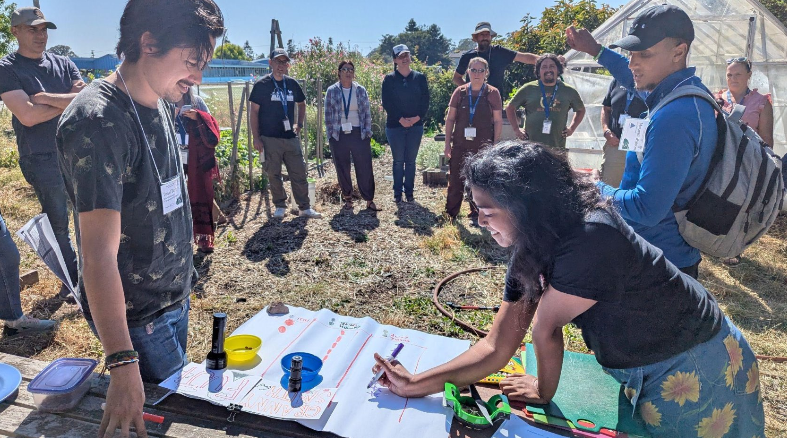
Life Lab| United States| $123,280
Building the Infrastructure That Connects 370,000+ Students to Garden-Based Learning
School garden programs work best when the people running them aren't doing it alone. Yet across the country, that's exactly what's happening. Garden educators work in silos, without peer connections, shared knowledge, or ongoing support that keep programs thriving. When these educators don't have a community to learn from, even the best-resourced gardens stall out. Most importantly, the bigger opportunity of helping kids build real relationships with fresh food and healthy eating never reaches its full potential.
Life Lab, based in Santa Cruz, California, has been a Foundation partner and a leader in garden-based learning for over a decade. This $123,280 grant supports the 2026 School Garden Support Organization (SGSO) Leadership Institute, a week-long, hands-on professional development program that brings together 40 school garden professionals from 20 organizations across the country. Over the course of the week, participants visit model programs, learn from each other, and build the kind of relationships that keep going long after the program wraps through quarterly check-ins that keep the cohort connected and accountable.
The 40 people trained through this year’s Institute collectively support 80–100+ school gardens, reaching an estimated 370,000+ students every year. Beyond that, institute graduates bring what they’ve learned back to the broader SGSO Network, a community of 4,600 people representing over 2,000 organizations nationwide. That ripple effect is transformative. This grant helps build the connective tissue that lets garden-based learning, and the fresh, healthy food experiences it creates for kids, grow at scale.
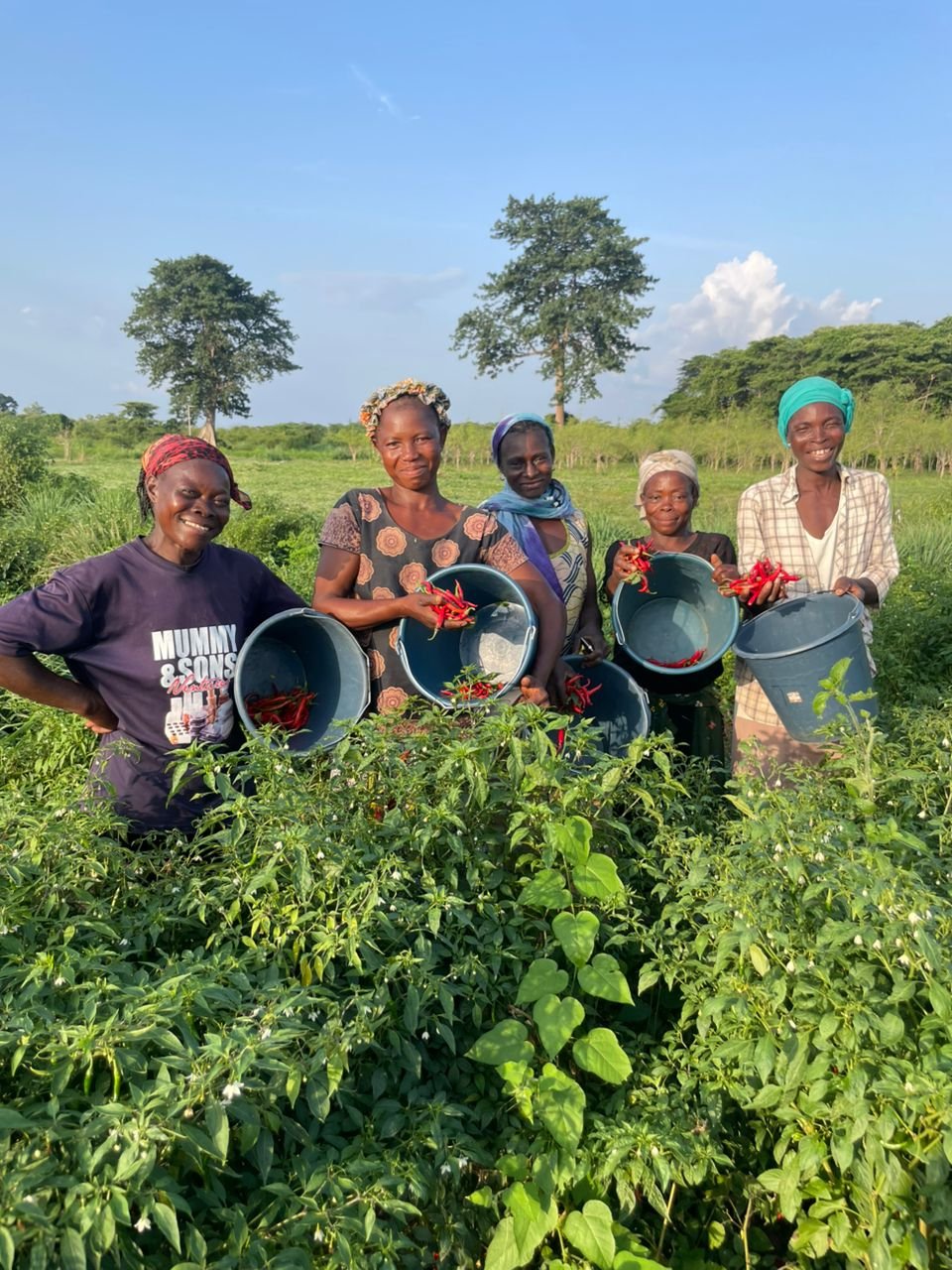
True Farmer| Ghana |$600,000
Growing Smallholder Income 16x in Ghana — From $0.30/Day to $5.00/Day
For smallholder farmers in rural Ghana, the path to a living income isn’t blocked by a lack of effort or ability, rather by a lack of access. Without something to put up as collateral, farmers can’t get the loans they need to grow higher-value crops. And without established buyers for their harvests, even a great growing season doesn’t translate into reliable income. The result: families, most of them headed by women, remain stuck at $0.30 a day, with no clear way forward.
True Farmer, a non-profit based in New Longoro, Ghana, was built to change that. Their RISE model — Regenerative Agroforestry, Inclusive Financing, Savings Groups, and Entrepreneurship — takes on every piece of the problem at once: giving farmers the inputs, training, financial tools, and direct market connections they need to build something sustainable.
This three-year, $600,000 grant will provide collateral-free input loans to 1,200 entry-level and landless smallholder farmers to grow herbs and spices. True Farmer will buy their harvests directly and sell to agro-processing companies, cutting out the market access gap that keeps farmers stuck in survival mode. The expected outcome says it all: daily income projected to grow from $0.30 to around $5.00. That 16x increase strengthens families, communities, and the regional food system around them.
This investment reflects the Foundation’s deep belief that financial empowerment and resilient food systems go hand in hand. When farmers have real access to capital and reliable markets, the benefits flow outward to households, neighbors, and the broader community.