

$2.9 Million Invested Across 6 Organizations in
5 Countries
We talk a lot about food systems. It's a big phrase that can feel abstract. But when you see a student in Rwanda eating a complete meal at school for the first time, or a farmer in Peru earning enough from moss harvesting to approach the poverty line, the system becomes specific. It becomes a person.
This quarter, we invested $2.9 million across six organizations in five countries. Each one is working on a different piece of the puzzle: school meals in Rwanda, a fellowship program across Latin America, moss harvesting and potato farming in Peru's highlands, an agriculture accelerator in sub-Saharan Africa, climate-smart farming in the U.S., and a first-of-its-kind effort connecting financial inclusion to food access. Together, they show what it looks like when funding meets the people and organizations doing the daily work.
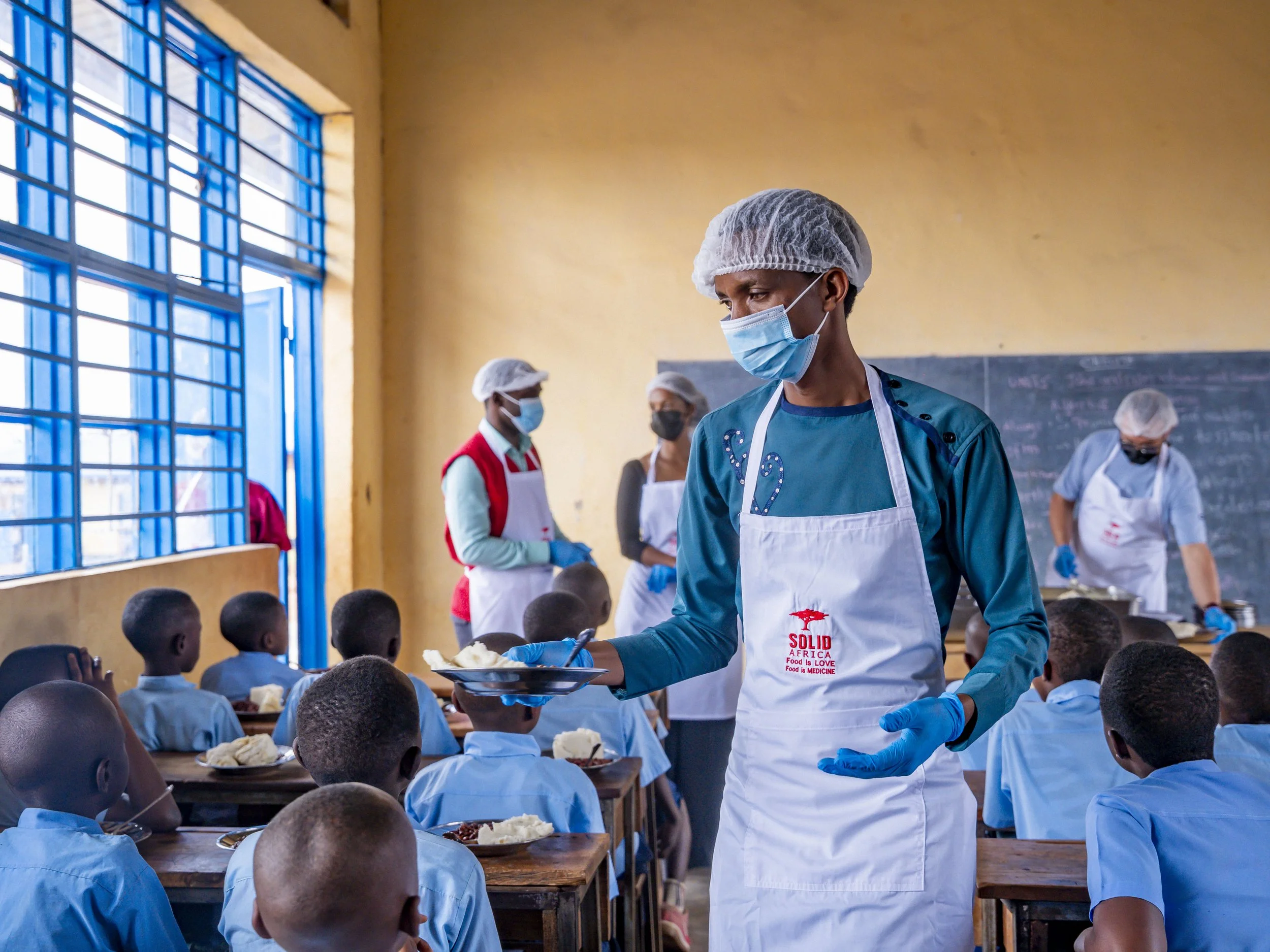
In Rwanda, 33% of children under five are stunted due to chronic malnutrition. School meals, which should be a reliable source of daily nutrition, currently provide only 35-40% of what students need.
Solid'Africa, a non-profit based in Kigali, has spent over a decade building an integrated Farm-to-Plate model that connects smallholder farmers directly to school kitchens and hospital cafeterias. They've delivered more than 12 million meals across Rwanda's public institutions, supporting approximately 29,000 students daily and sourcing from more than 7,000 smallholder farmers.
This two-year, $300,000 grant will help Solid'Africa expand its school feeding program from 11 to 17 schools in the Rwamagana district, delivering 3,883,410 nutrient-dense meals to 20,439 students. The funding will also enable them to add animal protein as the fifth and missing ingredient to meet the World Health Organization's Minimum Dietary Diversity standards for children's school meals. Solid'Africa is simultaneously working to increase the Rwandan government's contribution to per-meal costs from 64% to 70%, building a path toward long-term government adoption.
Solid’Africa
Rwanda | $300,000
EARTH University
Latin America & the Caribbean | $1.5 Million
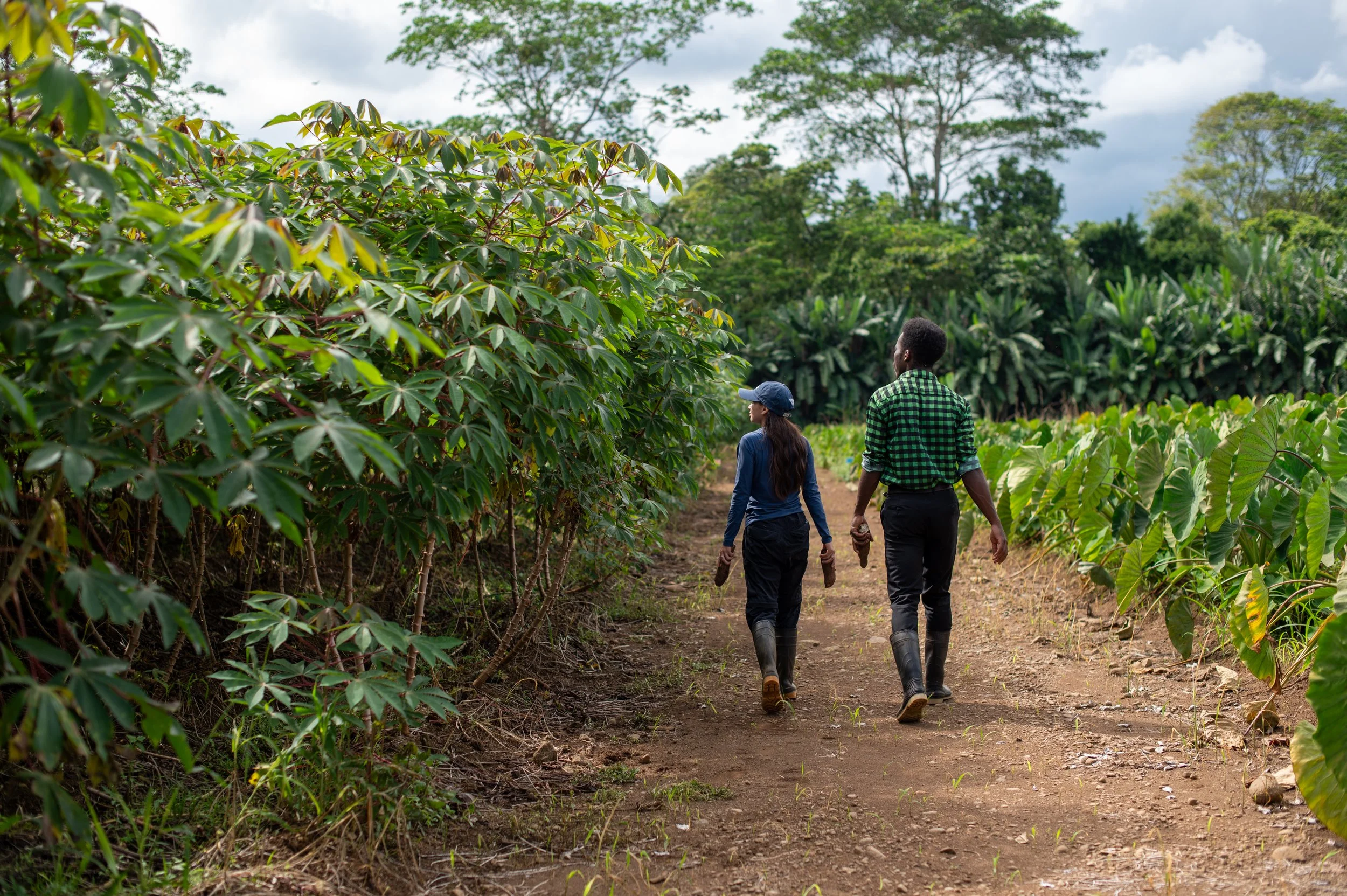
Across Latin America and the Caribbean, there's no shortage of programs aimed at helping smallholder farmers. What's missing is the human capital to connect them. Early-career leaders who can work across production, markets, research, and education are in short supply.
EARTH University, founded in 1986 and based in Costa Rica, launched a Fellowship program in Africa in 2021 with Mastercard Foundation support, graduating 58 Fellows now embedded in organizations serving farming communities across the continent.
This $1.5 million partnership over three and a half years brings that model to Latin America and the Caribbean for the first time. Thirty-five Fellows will be placed across four tracks: Agricultural Employment, Agricultural Education, Agricultural Innovation through Science and Research, and Agricultural Entrepreneurship. Fellows receive monthly stipends, health insurance, mentorship, and structured professional development. The first cohort of five begins in early 2027, scaling to 15 per year by 2028.
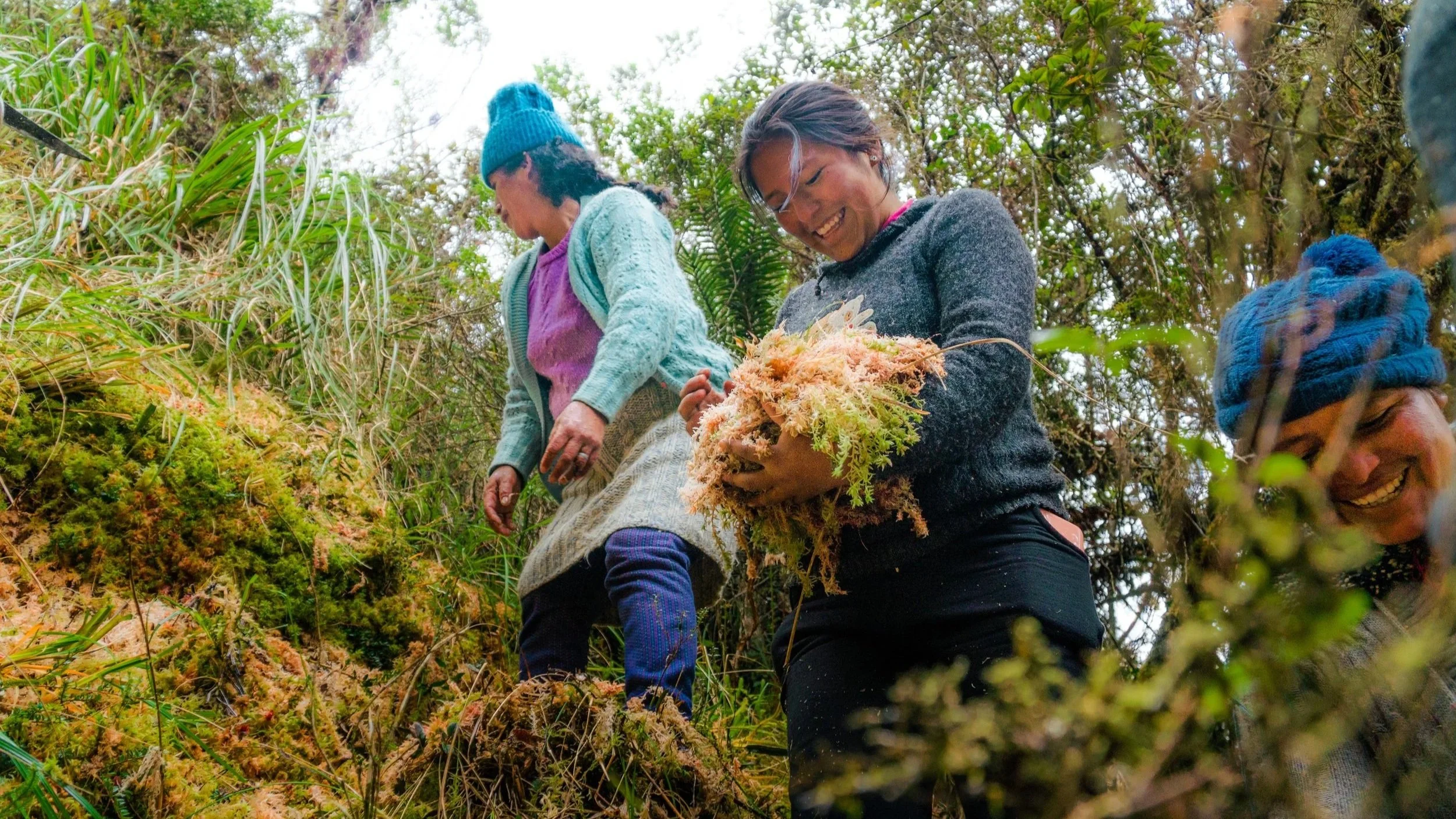
In Peru's Junín region, 23.7% of the population lives in multidimensional poverty. For indigenous Quechua-speaking families in the highlands, potato farming is the primary livelihood for more than 80% of farmers, but most consume what they grow, leaving little room for income.
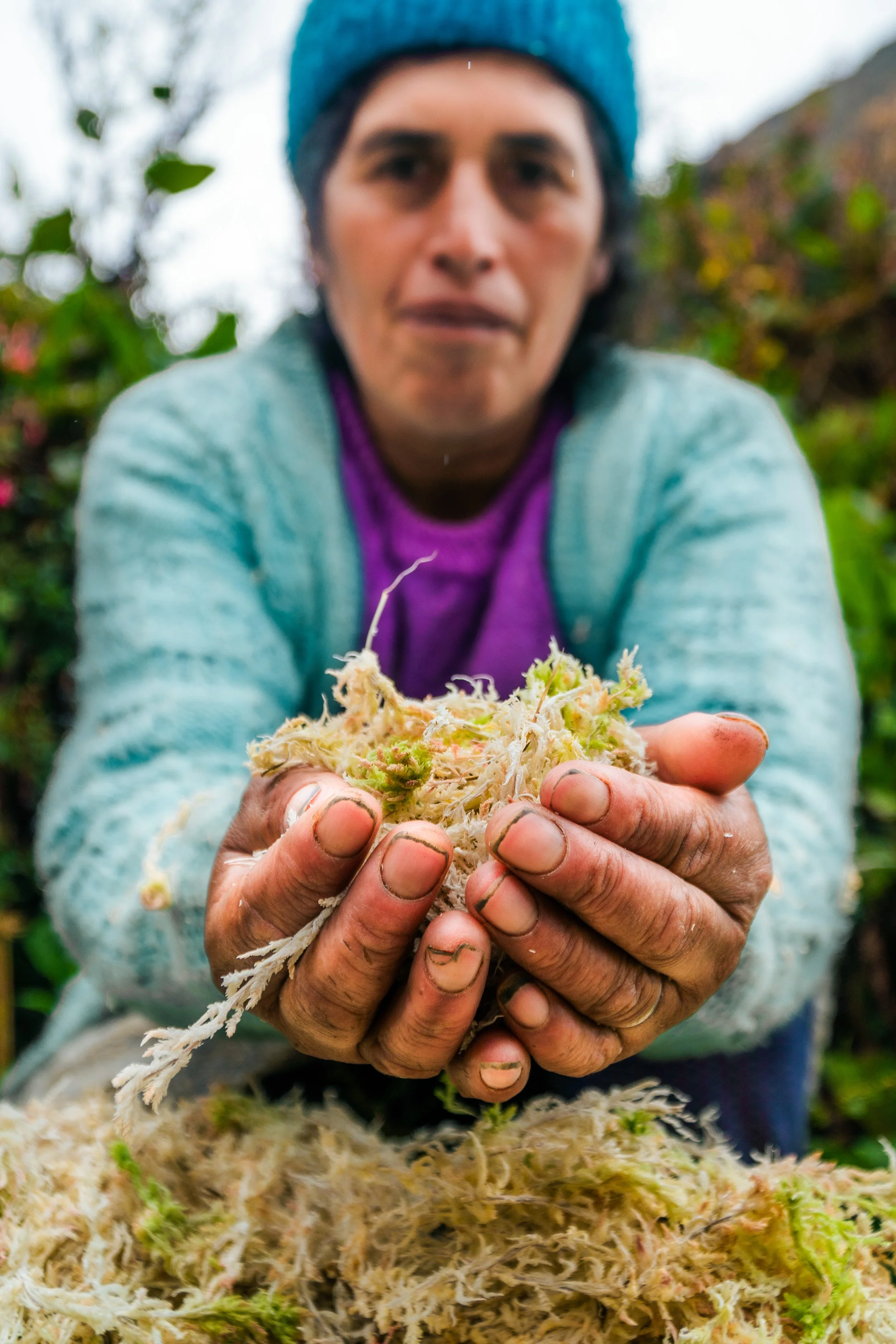
Inka Moss, a social enterprise founded in 2010, has built a model that changes that equation. Farmers forage wild Sphagnum Moss that grows naturally across the Andes, a high-margin activity that requires no upfront investment or maintenance costs. Inka Moss purchases the harvest directly, paying cash on delivery. In 2025, moss collectors increased their income by 33%, earning an additional $1,659 per year, nearly reaching Peru's annual poverty line of $1,679. Fifty-seven percent of moss collectors are women.
This $500,000 investment is the Foundation's first Program Related Investment (PRI) of 2026, a zero-percent interest loan that reflects a different tool in our philanthropic approach. The funds will provide working capital to purchase damp moss year-round, build warehouse infrastructure, and launch greenhouse production of fortified potato seeds projected to yield three times more potatoes than standard varieties. By 2028, Inka Moss projects growing farmer participation from 811 to 1,177 families.
Inka Moss
Peru | $500,000
“This trip for me was very special. Hearing directly from farmers about the life-changing impacts this program has had on their communities and families is something I will never forget.”
Halcyon House
Sub-Saharan Africa | $400,000
Despite 65% of Africa's workforce being employed in agriculture, only 4% of investments go to the sector. Early-stage entrepreneurs building solutions for smallholder farmers face limited access to capital, few technical resources, and no clear pathway to scale.
Halcyon, a non-profit accelerator headquartered in Washington, DC, has supported over 650 founders globally since 2014. Their Africa programs have directly supported 41 ventures impacting more than 4 million lives and creating over 17,000 jobs.
This $400,000, one-year grant funds the Innovation in Agriculture and Food Security Program, a hybrid accelerator supporting 10 post-revenue, pre-profit ventures from sub-Saharan Africa. The program includes two week-long residencies in Nairobi, Kenya and Accra, Ghana, plus monthly virtual programming. Each founder receives a $10,000 stipend. The curriculum is built around three pillars: achieving product-market fit, creating capital strategies, and developing leadership skills.

Millions of U.S. families lack reliable access to nutritious food. At the same time, workers within the food system earn wages too low to cover basic needs. Most organizations working on food access focus on nutrition outcomes alone. Very few also address the economic livelihoods of the people they serve.
JUST, a microfinance organization based in Austin, Texas, has lent over $40 million to women microentrepreneurs, primarily in Black and Brown communities, using its JETA (JUST Entrepreneur Trust Agents) model. Local women are trained to lead lending circles within their own neighborhoods, combining capital, coaching, and peer networks built on trust. Ninety percent of participants build sustainable businesses within 18-24 months.
This $100,000, 18-month grant will help JUST pilot its microfinance model with food access organizations, starting with Refugee Collective, a longtime Foundation Community First Grant partner. The goal is to layer financial tools on top of existing community relationships, so organizations already doing food access work can also strengthen the economic resilience of the people they serve.
JUST
United States| $100,000
National Young Farmers Coalition
United States | $100,000
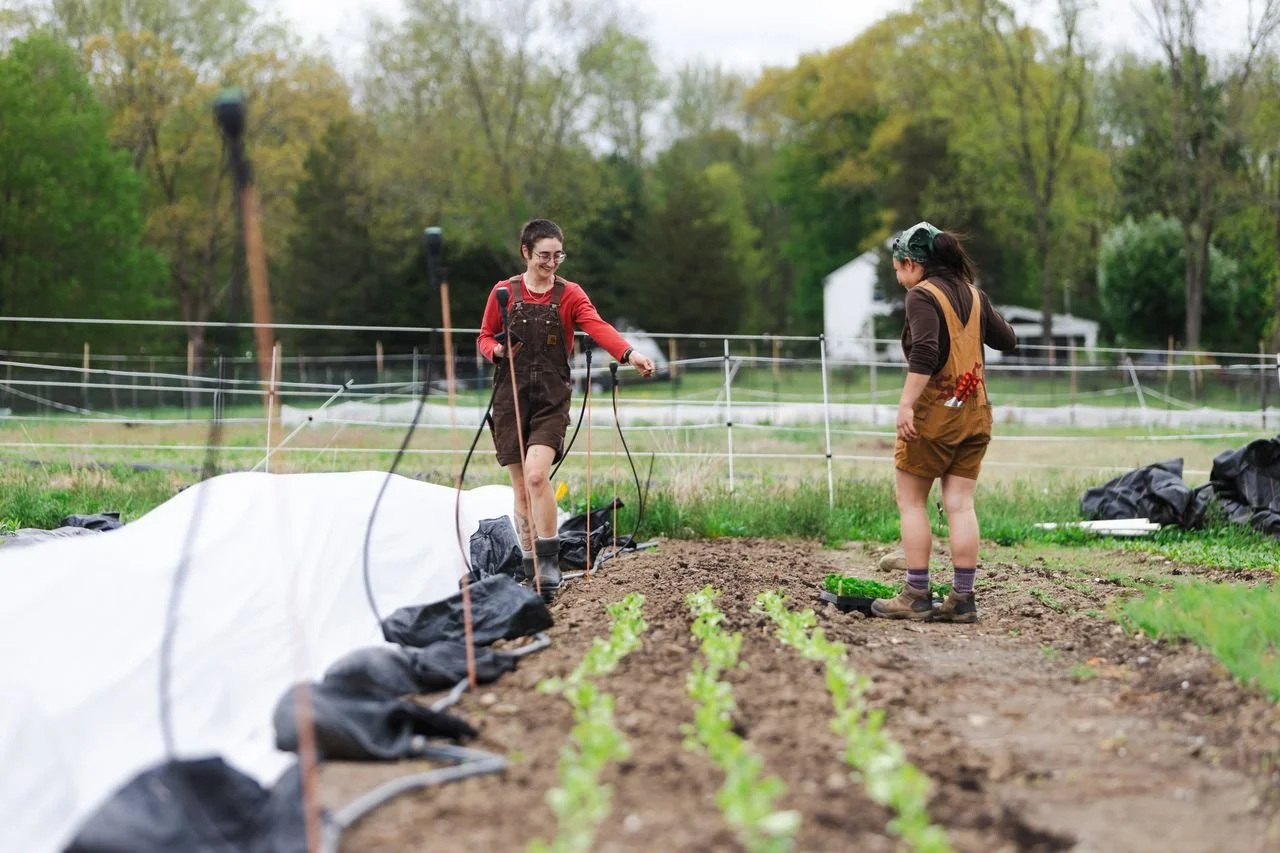
The average American farmer is 58 years old. The median farm income in 2025 was negative $328. Less than 5% of U.S. farms will be profitable this year, for the third year running. Nearly 90% of farm families rely on off-farm income just to keep going.
That's why we're committing $100,000 to the Next Generation Farmer Fund, a $1 million+ initiative in partnership with the National Young Farmers Coalition. Young Farmers is a farmer-led organization with 31 chapters across 25 states, fighting for the policies and resources young farmers need to succeed. Together, we'll provide direct financial support and technical assistance to 25-30 beginning farmers and ranchers under 40 who are stewarding land through climate-smart agriculture practices.
Each participating farm will implement at least three new practices focused on increasing productivity, enhancing resilience, and reducing emissions. The fund has already secured commitments from 14 brand partners including Lundberg Family Farms, PepsiCo, and Perdue Farms.