

Atlanta, Georgia
What lessons do you remember most from elementary school? Maybe it's the earthy smell of soil on your hands during a science experiment, or the satisfying crunch of fall leaves you collected for an art project. Perhaps you recall the cool smoothness of seeds you planted in a paper cup, checking each morning for new, tiny green shoots. Those moments when you could touch, smell, see, and discover—when learning moved from abstract ideas on a chalkboard to something real in your hands—those are the experiences that stick with us.
At Springdale Park Elementary School (SPARK) in Atlanta, Georgia, educators shared this belief: when students apply abstract concepts they're learning in the classroom to something tangible, real learning happens. When SPARK opened in 2009, it uniquely focused on both rigorous Science, Technology, Engineering, Arts and Math (STEAM) curriculum and environmental stewardship. The school became the first "green school" in Georgia, receiving a gold certification from LEED (Leadership in Energy and Environmental Design). But educators knew something was missing. They needed a dedicated space where students could directly encounter the new ideas they were learning.
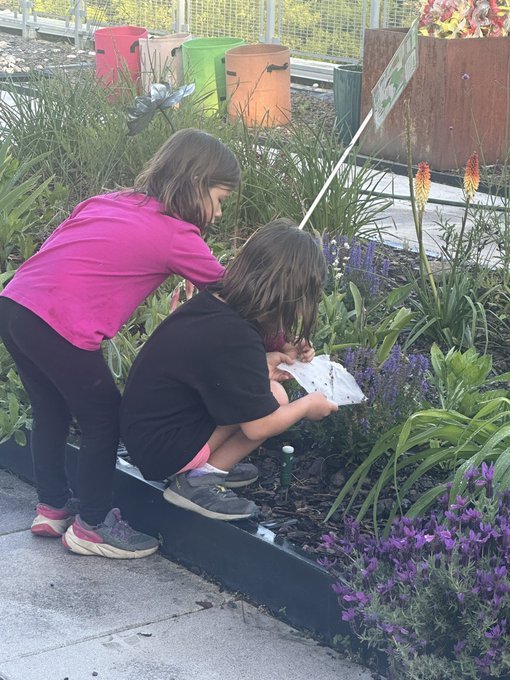
How could they create meaningful, hands-on learning experiences in the middle of one of the US's largest cities? They didn't have acres of land, and the school needed more than a green space. They needed time, tools, curriculum, resources and support to make their vision a reality. SPARK's educators began designing a comprehensive program that would transform their rooftop into a living laboratory.
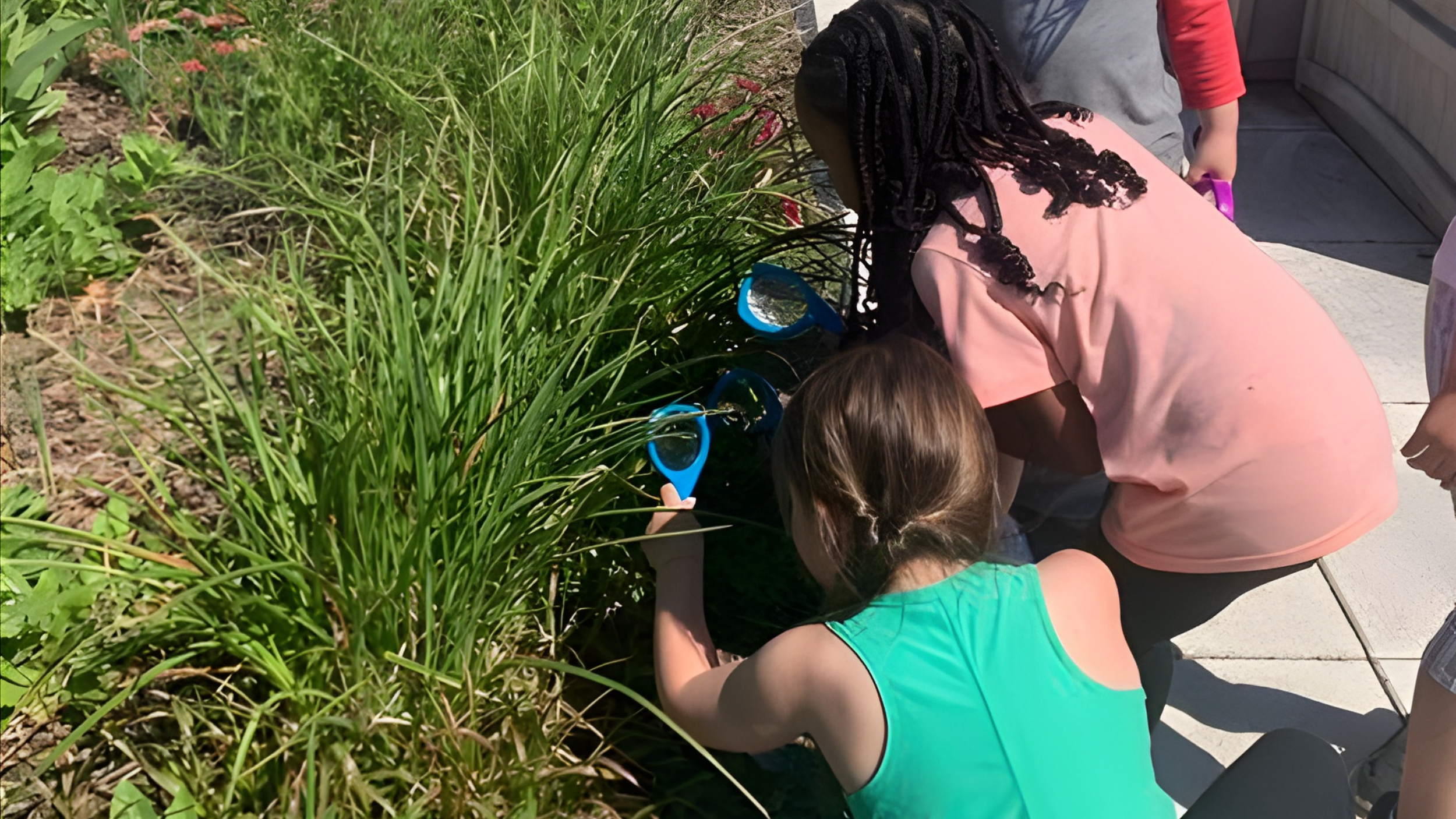
Today, on a rooftop in the middle of Atlanta, students grow. SPARK's comprehensive program now encompasses 1,200 square feet of growing space that welcomes 25 classes and 450 students. Students press their faces close to observe bees moving between hive frames in the on-site apiary. They watch roots spreading through hydroponic tubes in their indoor classroom systems, feeling the cool mist from the water pumps. The rich, earthy smell of the composting system teaches about decomposition in a way no textbook could. At the weather station, students who once only read about meteorology now record real data, calculating rainfall and tracking temperature patterns for their math projects.
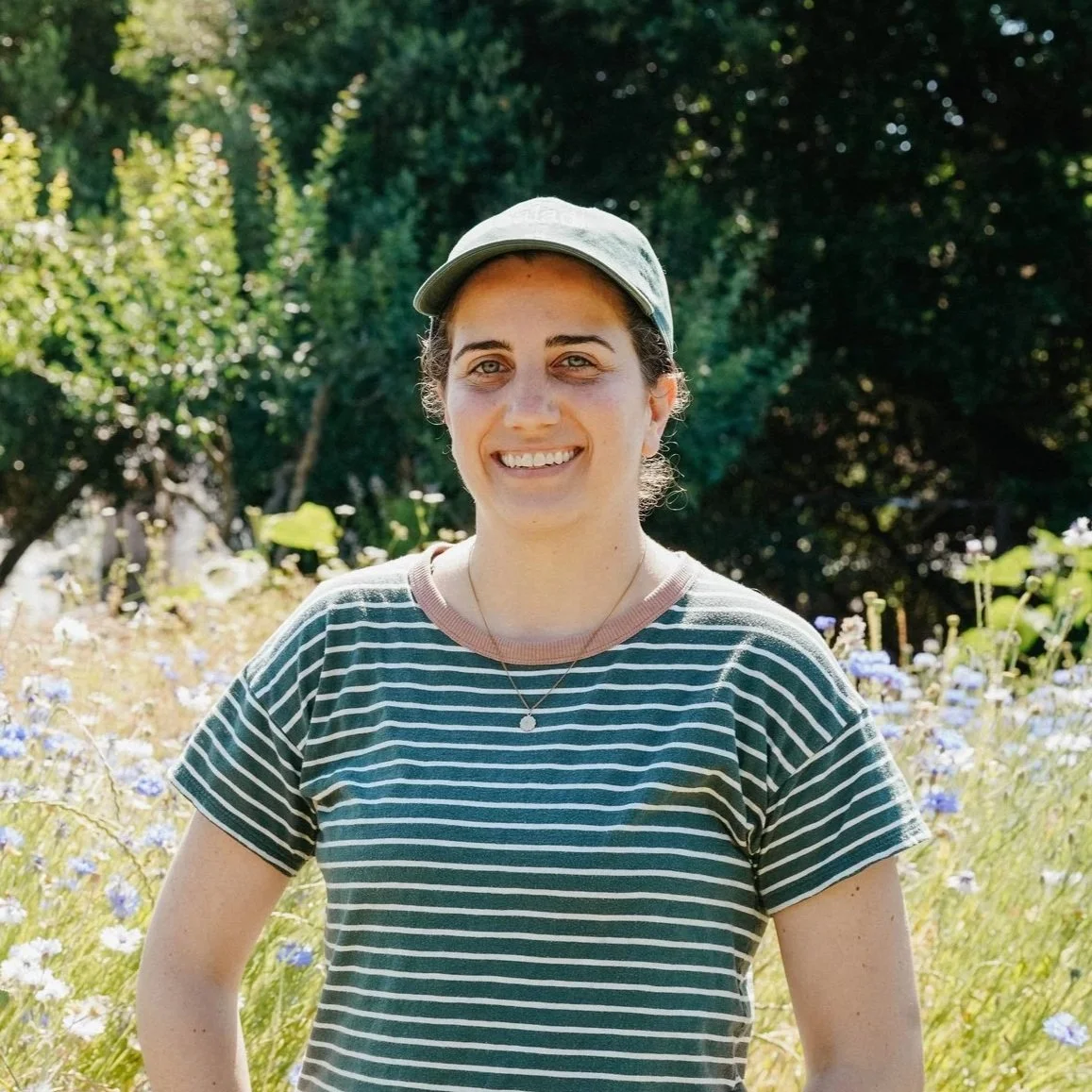
“We're seeing exactly what we hoped for when we created the Garden Grant program at Springdale Park Elementary School. Kids aren't just learning about food, they're growing it, cooking it, and genuinely getting excited about it!"
- Ashley Ellis, Garden Grant Program Manager
To expand their vision, SPARK applied for and received a $3,500 Garden Grant from Whole Foods Market Foundation. This support provided the additional resources to transform their rooftop into the truly immersive experience it is today.
Strong communities grow when visionary educators pursue bold ideas. SPARK saw the potential for a garden that could transform student learning and community connection—and they built it. The school now partners with a community organization, Intown Cares, donating food students have grown to help neighbors experiencing food insecurity. In the future, they hope to expand their garden program to touch even more students and community members.
The Foundation's Garden Grant program, powered by mission-minded donors, is proud to support SPARK's transformation into a space where students learn, neighbors gather and the entire community grows together.