

What Happens to Our Food System Without Farmers?
Broken food systems have left 3.1 billion people without access to fresh, nutritious food. That number is staggering. Yet behind it are real people. Rural farmers who grow our food but struggle to feed their own families. Urban communities where a fresh vegetable is harder to find than a fast-food meal.
These challenges don't have simple fixes. They require action at every level, from local neighborhoods to global supply chains. At Whole Foods Market Foundation, we work to change how food moves from farm to family, so that farmers can prosper, kids can eat well, and communities can build something lasting.
In celebration of National Farmers Day, we want you to meet a few of the farmers and organizations in our network who are doing exactly that.
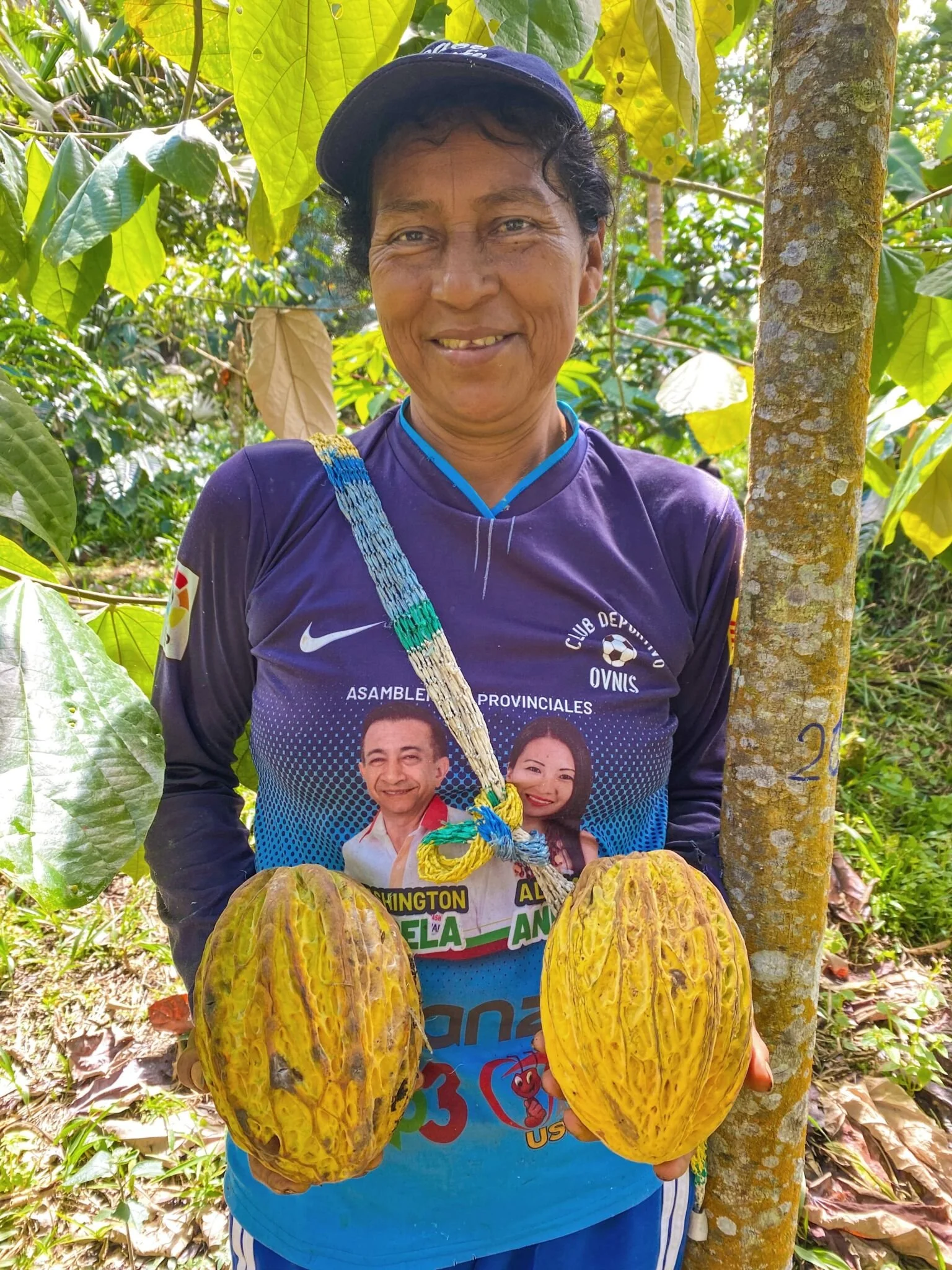
Rosa Chongo | Ecuador
For years, Rosa watched her land give less and less. Plantains shrank. Cassava barely fed her family. The soil that once provided was wearing out.
When she learned about ALIADOS, a Whole Foods Market Foundation partner working with indigenous smallholder farmers in Ecuador's Amazonian lowlands, she decided to try a different way of farming.
She learned to make organic fertilizers and changed the way she managed her chakra, a diverse system where crops, trees, and native plants grow together. Little by little, the land began to recover. Today, cassava grows well again, and Rosa sells part of her harvest at the market, generating additional income for her household.
But her dream goes beyond producing more. She wants to expand her chakra with new species, conserve the forest, and protect local water sources.
"The land provides us with life."
Rosa has worked alongside ALIADOS since 2022 and now manages 3,500 square meters under production, showing that farming can also be a way of caring for life. Across Ecuador, ALIADOS is helping smallholder farmers transition to regenerative agriculture and access fair markets. With a $300,000 three-year grant from the Foundation, ALIADOS is scaling their work to reach 3,000 farmers by 2028.
Read Rosa's full story on the ALIADOS website.
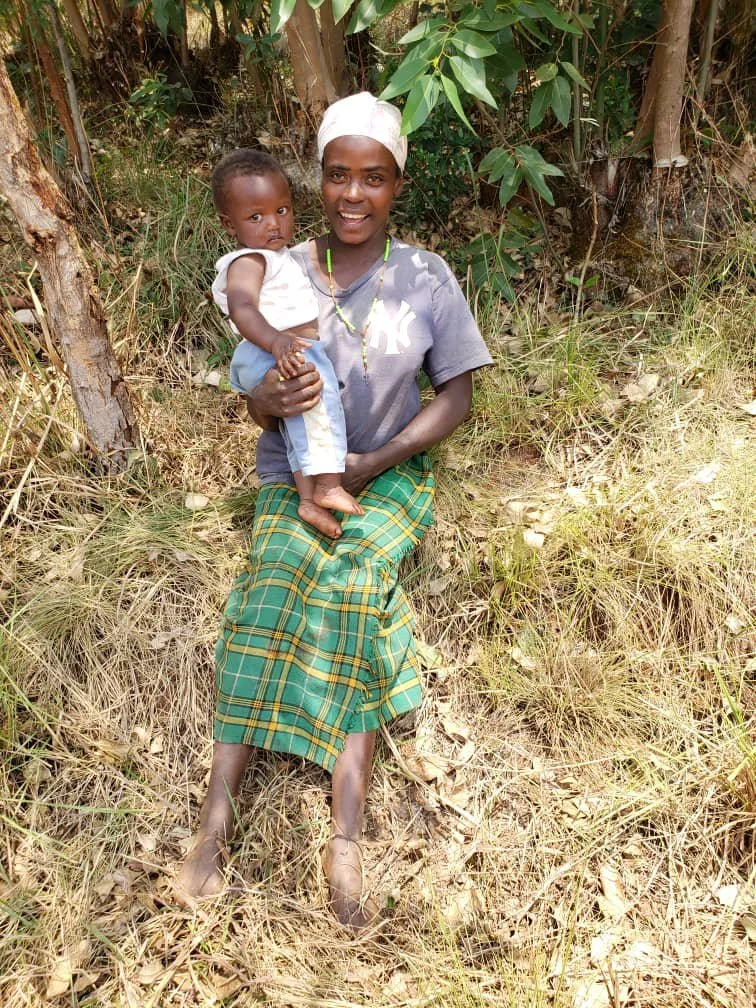
Claudine Manirankunda |Burundi
When Claudine married into farming at 29, she didn't know how to be a provider. Her husband worked in the city. She was expected to care for his land with little agricultural knowledge and no training.
She joined One Acre Fund Burundi in 2015. The early days were exhausting. The pre-planting process was long and physically demanding. But she kept going because she could see her crops growing healthier than they ever had.
Then came harvest. The same land that used to yield 50 kilograms of beans gave her 300. She harvested half a ton of maize in a single season. For the first time in her life, she turned a profit.
"Since joining One Acre Fund, my anxiety has disappeared. Not only did One Acre Fund give me the knowledge I needed, but they also empowered me to become more self-assured about my place in the household. Today, my family lives very comfortably. I can also dream big and envision things like owning cattle and building a bigger home. My daughter just started school, and I know I will be able to give her the best education possible because of the life that One Acre Fund helped me build."
One Acre Fund is a longtime Whole Foods Market Foundation partner, delivering financing, quality farming inputs, and agricultural training directly to smallholder farmers across Sub-Saharan Africa. The Foundation's support has helped fund programs like the one that changed Claudine's life.
Read Claudine's full story, as shared with One Acre Fund.
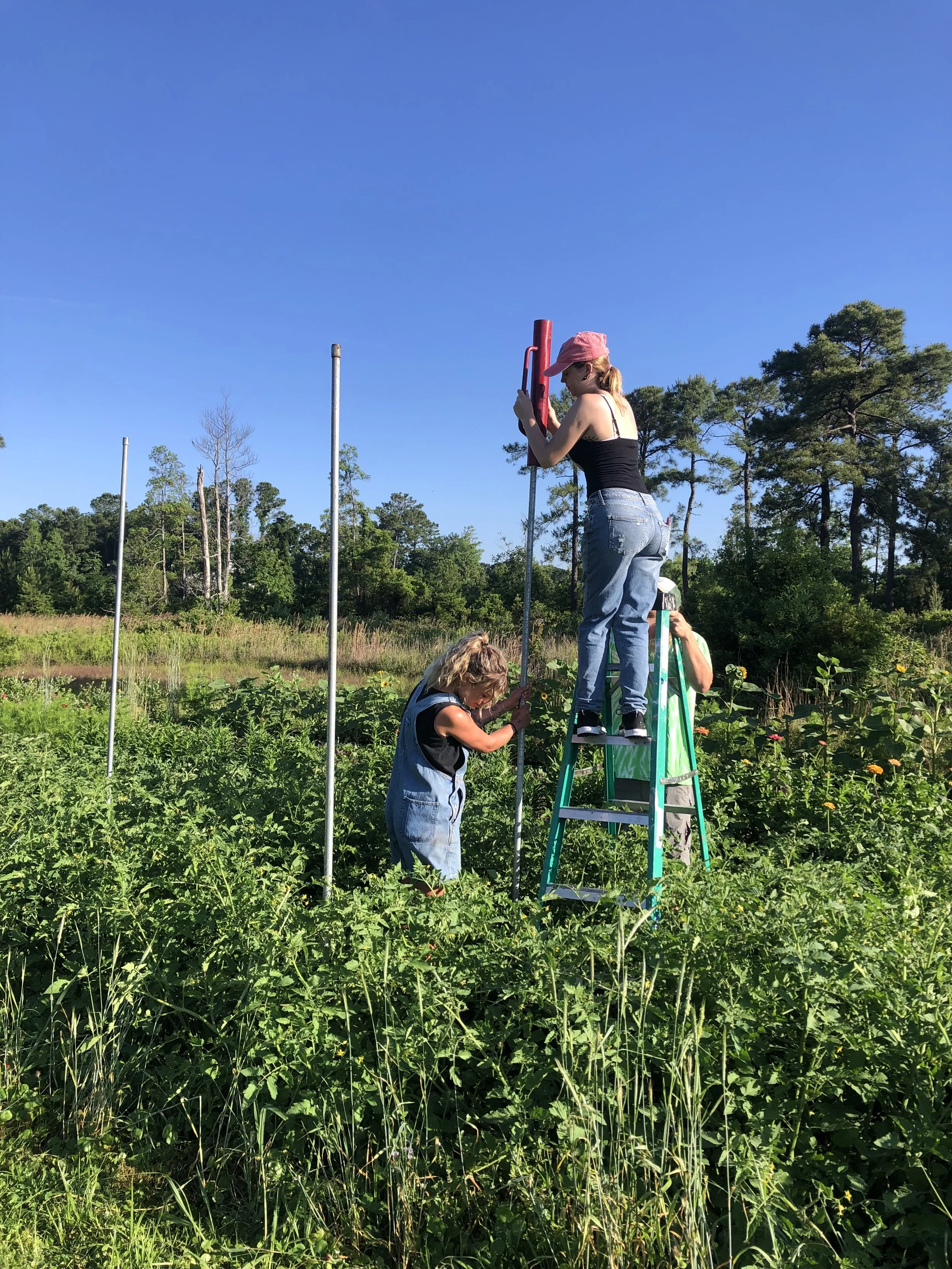
Rise Up Community Farm |North Carolina
On one acre in Wilmington's Monkey Junction neighborhood, Rise Up Community Farm grows about 7,000 pounds of produce a year. Half of it goes directly to local food pantries at no cost.
But the food is only part of the story.
Community members kept approaching Rise Up's team with the same question: how do I grow food for my family, my school, my neighborhood? That demand led to the creation of a free Adult Apprenticeship Program, funded by a 2025 Community First Grant.
The 15-week program teaches regenerative farming from the ground up. Soil preparation. Planting. Maintenance. Harvesting. Distribution. Four adults enrolled in the first cohort. All four completed it. Every single one started or expanded a garden in their own community afterward.
The apprentices say it best:
"I think programs like this are exactly what people need to understand our food system, what it takes, and how rewarding it can be. It changes your relationship when you are in the grocery store." - Maia
"One of the things I learned is how it really does take a community to take care of each other. To work together seems to be how we were designed." - Carrilee
"I thought I was just going to learn things and have the knowledge and that's it. But now I feel like I'll actually use it and grow things." - Brittany
Rise Up's Executive Director, Elly Colwell, first came to the farm as a community member looking for better food access. So did the Program Lead. They learned, they grew, and now they lead an organization that's teaching others to do the same.
Learn more about Rise Up Community Farm on their website.
Investing in the Next Generation
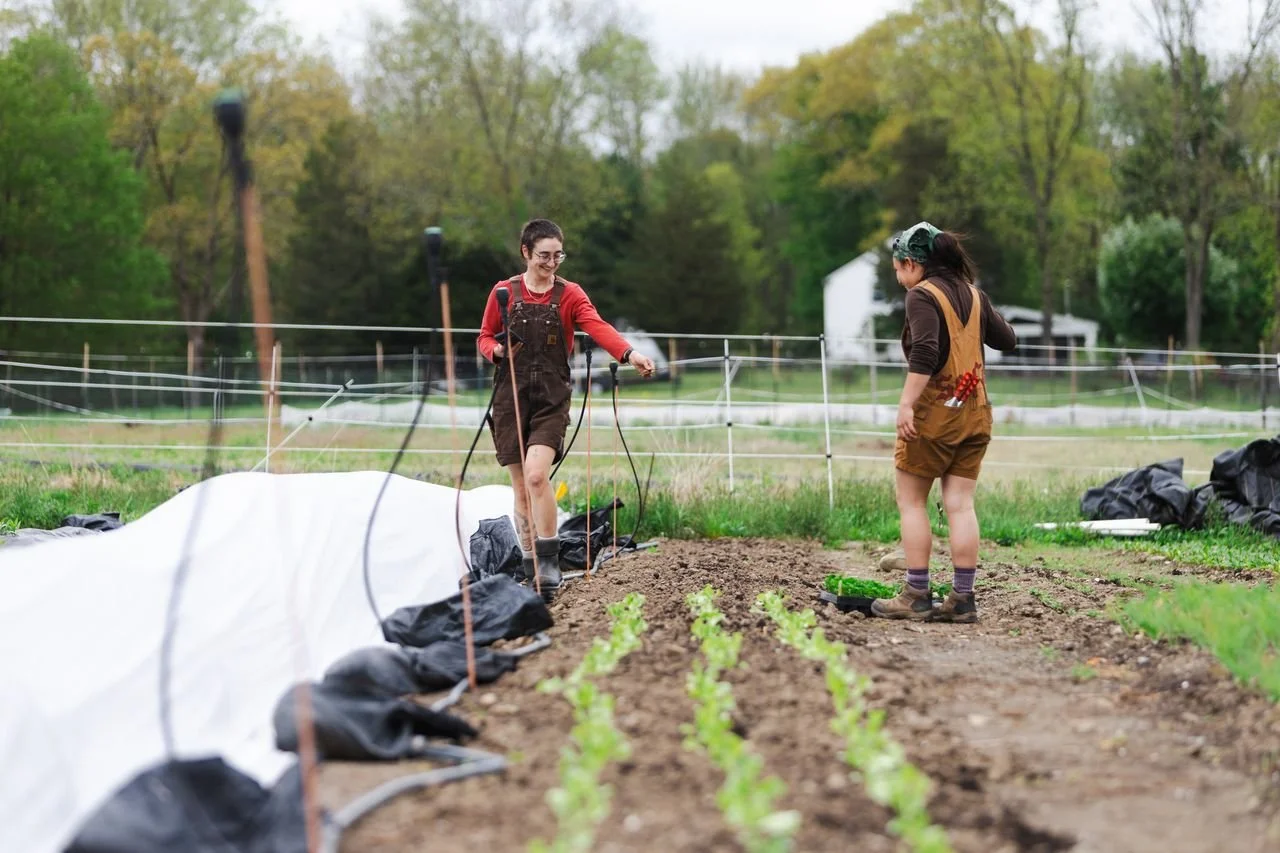
Featured farm: Osamequin Farm, Massachusetts | Photographer: Tom Daly Photography
The farmers in this story share something in common. They saw a better path for their land, their families, and their communities. And when the right support met their determination, everything changed.
But here's the reality we're facing at home: the average American farmer is 58 years old. The median farm income in 2025 was negative $328. Less than 5% of U.S. farms will be profitable this year, for the third year running. Nearly 90% of farm families rely on off-farm income just to keep going. The Farm Bill expired in 2023.
We need to act now to keep small farms in business and to support the farmers and ranchers just getting started.
That's why Whole Foods Market Foundation is committing $100,000 to the Next Generation Farmer Fund, a partnership with the National Young Farmers Coalition. Young Farmers is a farmer-led organization with 31 chapters across 25 states, fighting for the policies and resources young farmers need to succeed. Together, we'll distribute $600,000 in grants to 25-30 beginning farmers under 40 practicing climate-smart agriculture.
Applications open this month.
Rosa, Claudine, and Elly show us what's possible when farmers get the support they deserve. The Next Generation Farmer Fund is how we make sure the next wave of farmers gets that same chance.
A Note on the Women in This Story
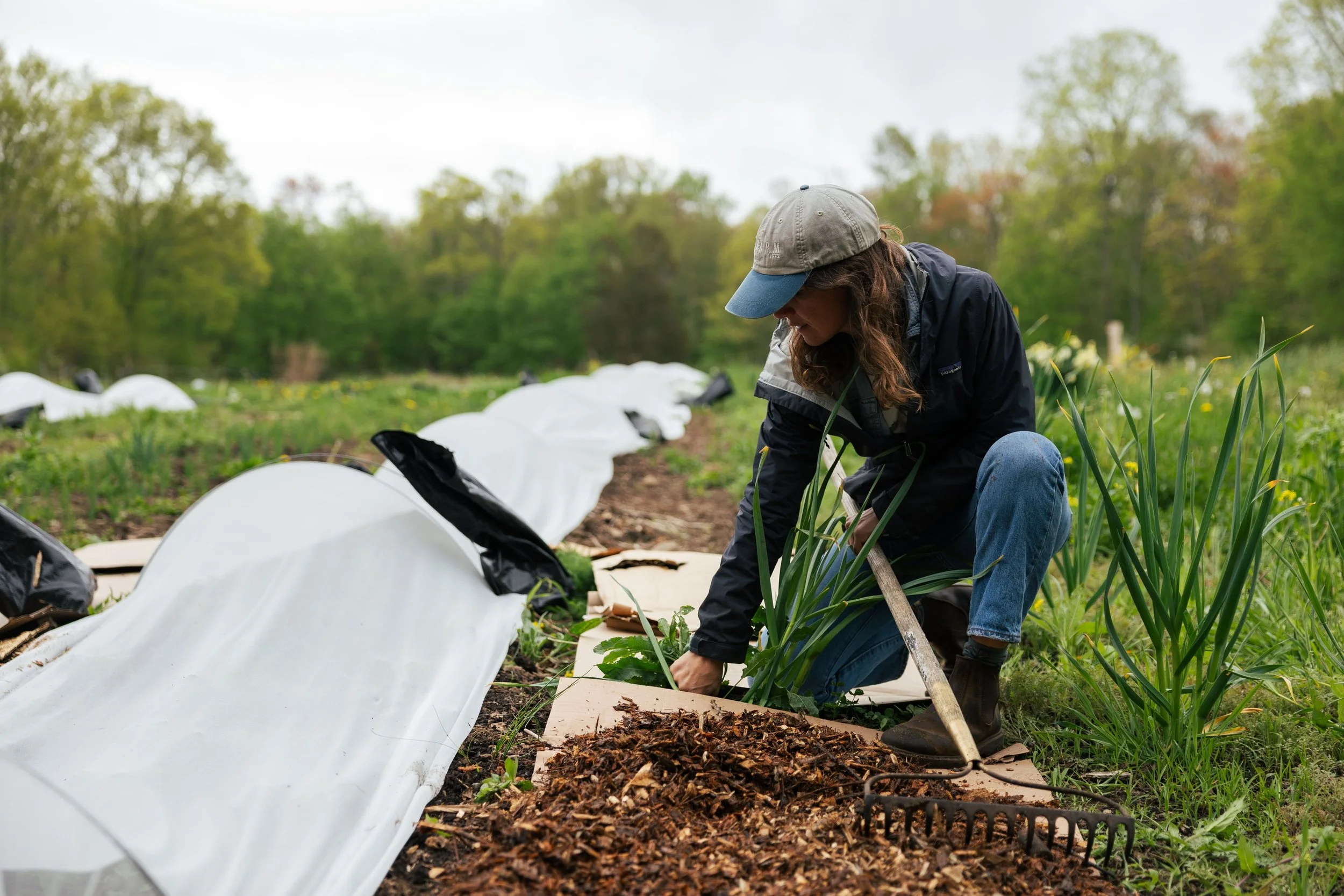
Featured farm: Osamequin Farm, Massachusetts | Photographer: Tom Daly Photography
The most compelling stories in our network share something in common: they're led by women.
That's not a coincidence. Globally, women produce more than half of the world's food. They tend to invest more in their homes, their children's education, and their communities. Yet according to the UN Food and Agriculture Organization, they receive less than 10% of agricultural loans and face systemic barriers to land ownership, financing, and training.
Rosa and Claudine aren't exceptions. They're proof of what happens when women farmers get access to the knowledge, resources, and community they've always deserved.
Join Us
If you're a young farmer, or you know one, the Next Generation Farmer Fund is accepting applications starting this month. Visit the National Young Farmers Coalition to learn more.
And if you're an organization doing this kind of work in your community, our Community First Grant program connects local nonprofits with Whole Foods Market team members and Foundation funding to support long-term food access.
Today we celebrate farmers. Tomorrow we keep showing up for them.