From Orchard to Classroom: Rainier Fruit’s Commitment to Pollinators and People
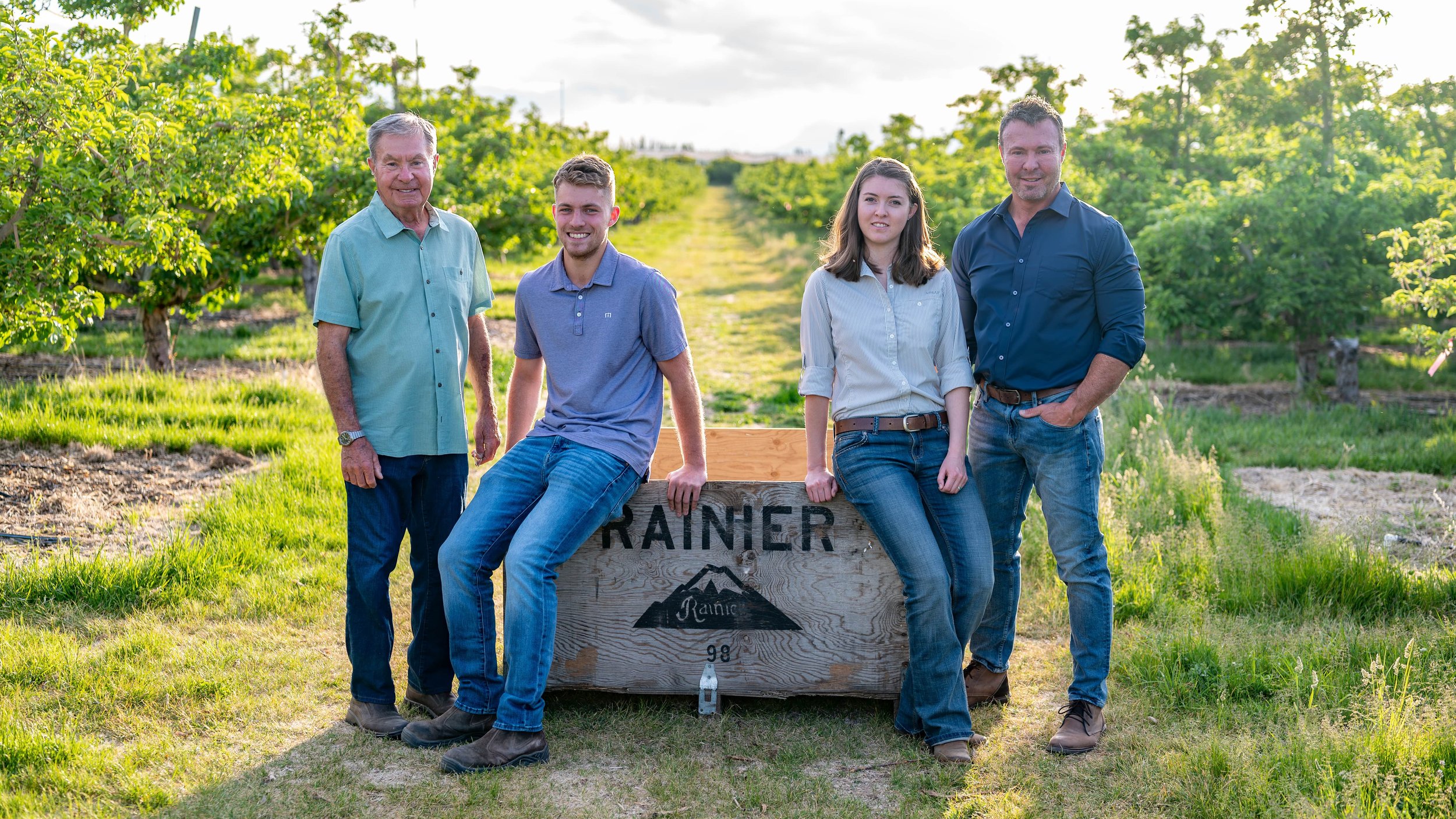
What does it look like when a company's values run as deep as their roots?
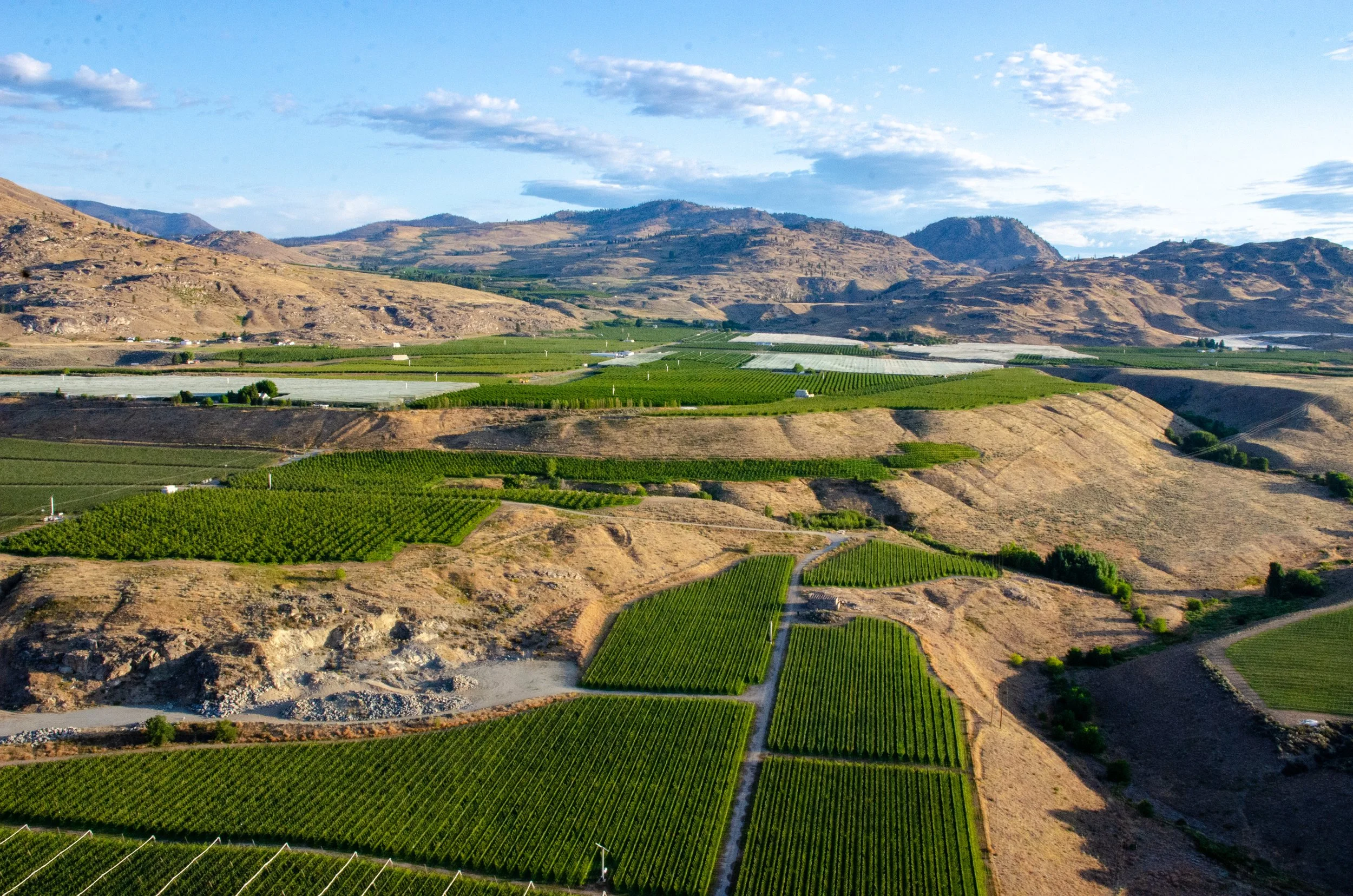
For Rainier Fruit Company — a sixth-generation family operation and one of the largest organic fruit grower-packers in the United States — the answer lives in 325 acres of native wildflower corridors, hedgerows, and pollinator habitat across Eastern Washington. But their commitment doesn't stop there. As a nine-year donor to Whole Foods Market Foundation, Rainier invests in the programs that teach the next generation why pollinators matter — connecting the health of the land to the health of our children. This National Pollinator Month, we're proud to celebrate a partner whose generosity grows impact from the orchard to the classroom.
Building Habitats That Work
Rainier Fruit initially installed a pollinator habitat alongside their organic fruit acreage. The results were so compelling — healthier ecosystems, reduced pest pressure, stronger yields — that they expanded the approach across conventional acreage as well. The company has had up to 325 acres certified to the Bee Better Standard, creating corridors of native wildflowers and hedgerows designed to support beneficial insects year-round.
Rainier also holds a portfolio of certifications that reflects their holistic, multi-generational approach to land management, including Regenerative Organic, USDA Organic, and Sourced for Good.
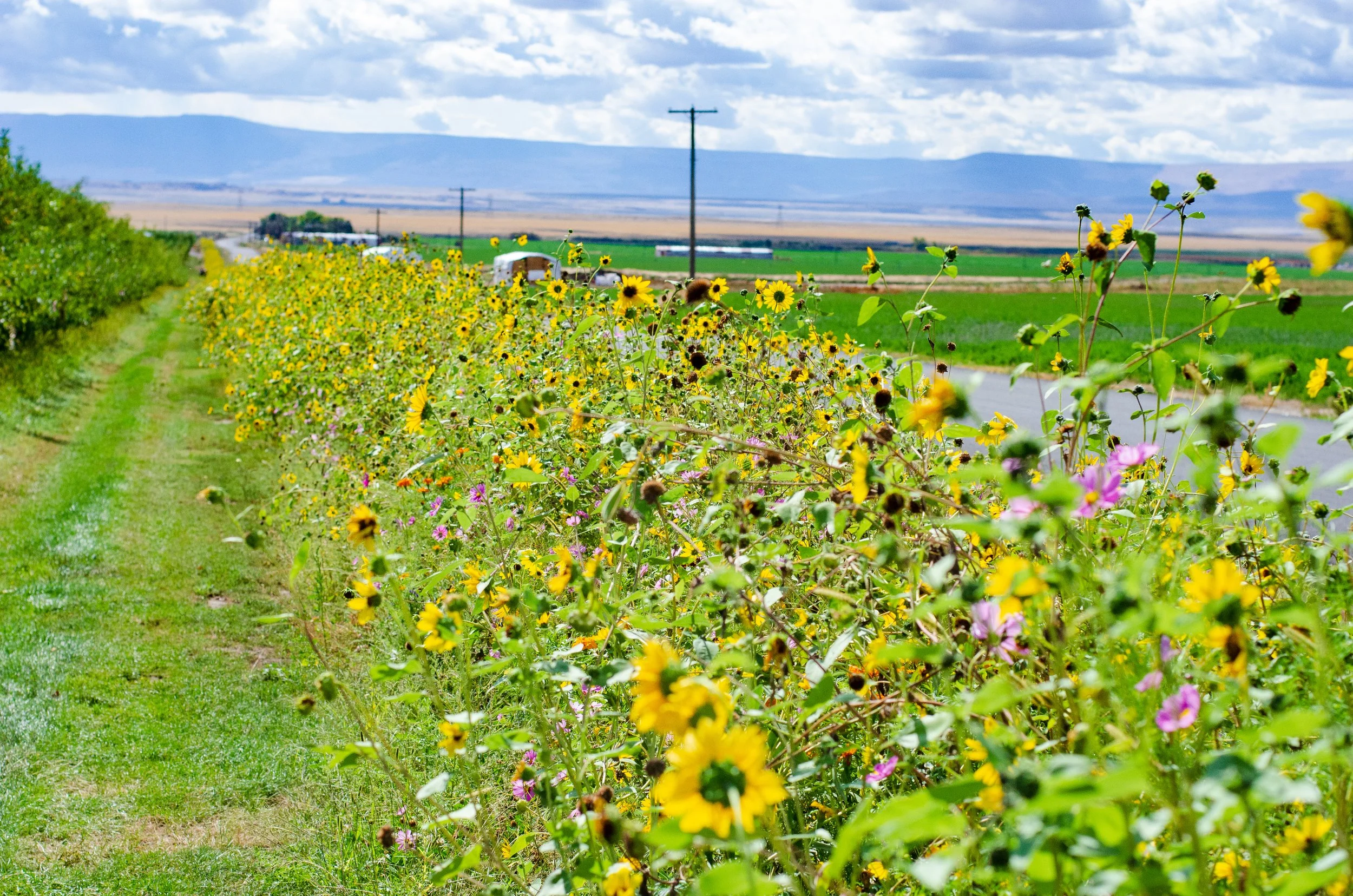
"The habitat led to an increase in population and diversity of natural enemies and pollinators. And the natural enemies managed to control the pest population."
— Teah Smith, Entomologist and Consultant, Rainier Fruit
Why Pollinators Need Champions Now
Without pollinators like honeybees, butterflies, birds, bats, and other insects, one in every three bites on your plate simply wouldn't exist. Pollinators are essential to healthy food systems and thriving ecosystems, yet they face mounting threats from habitat loss, pesticide exposure, and climate change
In 2023, Whole Foods Market launched a groundbreaking pollinator policy requiring fresh produce and floral suppliers to implement an integrated pest management system - which prioritizes preventative and biological pest control measures and reduces the need for chemical pesticides - while also encouraging suppliers to phase out the use of nitroguanidine neonicotinoids. Rainier Fruit helped shape this standard through years of on-the-ground habitat work - proving that large-scale commercial agriculture and pollinator protection can coexist.
From Donor Dollars to Classroom Hives
Rainier's investment in Whole Foods Market Foundation extends their pollinator conservation work into something even more powerful: education. Through the Foundation's Bee Grant program — a partnership with The Bee Cause Project — donors like Rainier make it possible for students across the country to welcome honeybees onto their campuses, observe pollination firsthand, and understand where their food comes from.

Over the past decade, this program has distributed 1,275 educational beehives, invested over $2.2 million, and reached 1.6 million students. In 2026, the Foundation awarded a record-breaking 168 Bee Grants — the largest class in the program's history.
This impact is seen in schools like Estes Park Elementary where in 2018, a single observation hive was placed in the library. Students would pass by it, peer into it, and ask questions. Seven years later, that one hive has grown into a fully integrated K–12 beekeeping and pollinator education program spanning the entire school district. Moments like these don't happen without donors who believe that curiosity about the natural world is the foundation for lifelong stewardship and improving children's nutrition.
A Partnership Rooted in Shared Purpose
“Rainier Fruit exemplifies what it means to be a purpose-driven donor. For nine years, they’ve shown up with funding, and a deep belief that protecting pollinators and nourishing children are part of the same mission. Their generosity connects what happens in the orchard to what happens in the classroom, and that’s exactly the kind of partnership that creates lasting change.”
“We’re incredibly proud to support Whole Foods Market Foundation’s pollinator education program. This partnership demonstrates our shared belief in positive change at the source, whether that’s in the orchard or the classroom.”
Growing What Matters
Rainier Fruit has shown what it looks like to invest in the future — not just in their orchards, but of the children and communities connected to our food system. Their generosity reminds us that lasting change happens when businesses align their values with their giving.
Every wildflower corridor Rainier plants, creates refuge for pollinators navigating an increasingly fragmented landscape. Every bee that thrives in that habitat pollinates the blossoms that become the fruit on your table. Every child who peers into an educational hive learns that their food system depends on creatures smaller than their thumb. And every donor who invests in this work ensures the cycle continues.
This is what it looks like when a company thinks in generations — protecting the land today while funding the curiosity that will steward it tomorrow.